

District Entrepreneurship Mission
Integrating local ecosystems where more enterprises grow faster, creating jobs at scale.
Driving convergence of systems to enable growth of the entrepreneurial ecosystem
GAME’s District Entrepreneurship Missions (DEMs) bring government, industry, finance, academia, and local leaders onto a single platform to strengthen enterprise growth systems—so more and more enterprises grow faster and create jobs at scale.
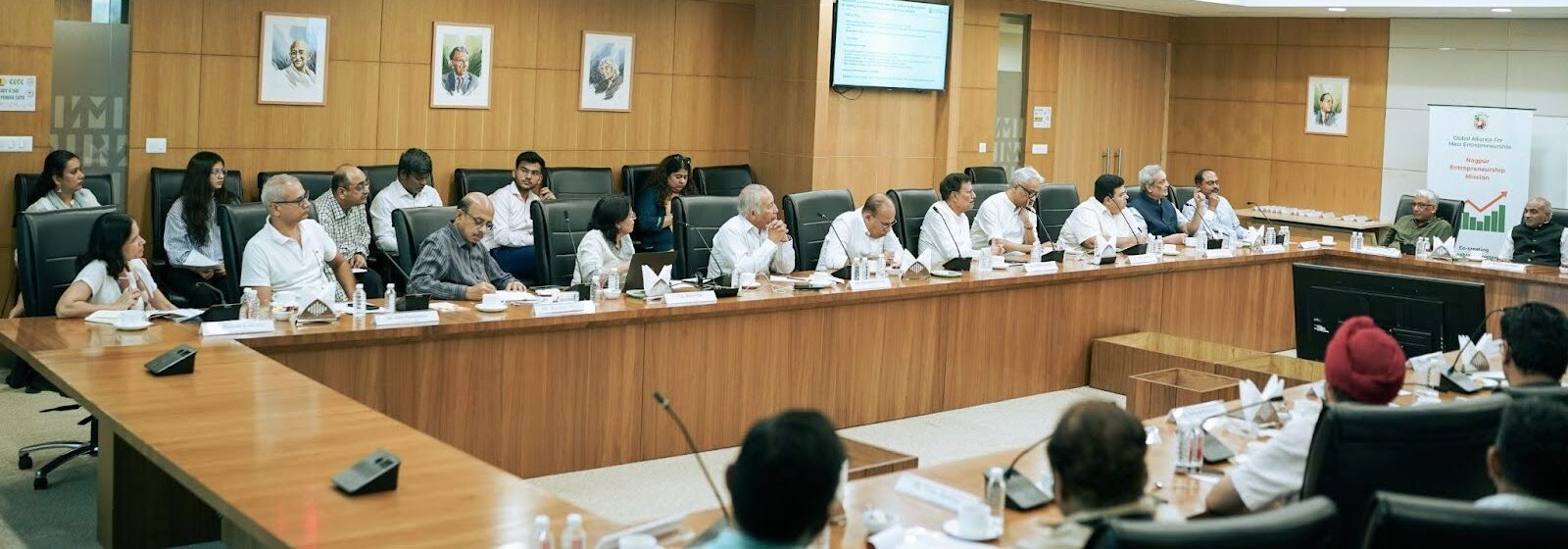
Why Districts as a Unit Matter:
India doesn’t lack entrepreneurs. It lacks places where entrepreneurship works predictably.
The Local Challenges Entrepreneurs Face
Across districts, entrepreneurs navigate fragmented and overlapping support, limited coordination across institutions, and gaps in access to growth capital and markets. These aren’t individual shortcomings—they reflect how local systems have evolved over time.
Why Districts Are the Real Battleground
Entrepreneurs don’t operate nationally—they operate locally. So do banks, buyers, regulators, colleges, and infrastructure providers. Districts are where lending decisions are made, markets are accessed, permits are issued, and talent is trained.
Yet many entrepreneurship efforts remain sectoral, siloed, or national initiatives, missing this local reality.
The District Entrepreneurship Missions Solution
District Entrepreneurship Missions respond by aligning institutions, strengthening coordination, and enabling enterprise growth in a sustained, locally owned way.
Powering Compounding Enterprise Growth
When finance, markets, skills, and public systems converge in one place, enterprise growth compounds. Healthy ecosystems become places where more and more firms grow faster and faster.
A District Entrepreneurship Mission (DEM) makes this happen as a locally owned, multi-stakeholder effort. It aligns finance, markets, institutions, and public systems around enterprise growth and job creation.
DEMs don’t create parallel programs. They strengthen coordination, improve system performance, and institutionalize what proves effective.
Why this Matters
India does not lack entrepreneurs. It lacks places where entrepreneurship works predictably.
Across many districts entrepreneurs often navigate:
- Fragmented and overlapping support
- Limited coordination across institutions
- Gaps in access to growth capital and markets
These are not individual shortcomings.
They reflect how local systems have evolved over time.
District Entrepreneurship Missions respond by aligning institutions, strengthening coordination, and enabling enterprise growth in a sustained, locally owned way.
Why districts are the units that matter?
Entrepreneurs don’t operate nationally—they operate locally.
So do banks, buyers, regulators, colleges, and infrastructure providers.
Districts are where:
- Lending decisions are made
- Markets are accessed
- Permits are issued
- Talent is trained
Yet many entrepreneurship efforts are designed as sectoral, siloed, or national initiatives.
Our Insight
When finance, markets, skills, and public systems converge in one place, enterprise growth compounds.
Healthy ecosystems are places where more and more firms grow faster and faster.
What a DEM is
A District Entrepreneurship Mission (DEM) is a locally owned, multi-stakeholder mission that aligns finance, markets, institutions, and public systems around enterprise growth and job creation.
DEMs do not create parallel programmes.
They strengthen coordination, improve system performance, and institutionalise what proves effective.
How a DEM works
- Integration, Not Implementation
- DEMs don’t replace existing institutions.
- They align and activate them.
- They shape how systems work together, not just what entrepreneurs receive.
The DEM Operating Model
Integration, Not Implementation
DEMs don’t replace existing institutions but integrate them. DEMs change how systems behave, not just what entrepreneurs receive
| 1. Local Leadership Coalition | 2. Thematic/Sectoral Task forces | 3. Lean Secretariat (PMU) | 4. System Demonstrations |
|---|---|---|---|
|
Credible entrepreneurs and institutions
|
Focussed time-bound groups working on priority areas:
|
The coordination nerve centre
|
|
WHAT WE FOCUS ON
Strengthening the conditions that enable enterprises to scale, District Entrepreneurship Missions focus on creating the right conditions for enterprisesm especially growth-oriented MSMEs—to scale predictably and create jobs.
Growth of Existing MSMEs –
Primary Job Engine
• Growth accelerators and peer cohorts
• Market access and anchor procurement
• Growth-appropriate finance and credit readiness
Enterprise Growth Systems
Strengthening the underlying systems that shape enterprise outcomes:
• Capital systems: products, underwriting norms, de-risking, faster credit flows
• Market systems: buyers, standards, logistics, digital rails
• Public systems: approvals, compliance, grievance redressal, scheme convergence
Inclusion & Green Productivity
• Women-led enterprise pathways
• Climate-resilient and green enterprises
• Productivity gains through energy access and decentralised renewable energy
Over time, DEMs help embed these improvements so ecosystems continue to strengthen year after year.
Outcomes We Measure
What changes when ecosystems work well
Enterprise outcomes
- Enterprises growing faster (cohort-based thresholds)
- Revenue and productivity improvements
- Market diversification and repeat buyers
Jobs and livelihoods
- Jobs created and livelihoods strengthened
- Workforce skilling and enterprise employment
Capital flows
- Capital unlocked and time-to-credit reduced
- Adoption of new financial products and mechanisms
Market systems
- Anchor buyer commitments
- Procurement and value-chain linkages
Systems shift
- Improved policies and processes
- Institutions adopting more effective ways of working
- Local coordination mechanisms functioning independently over time
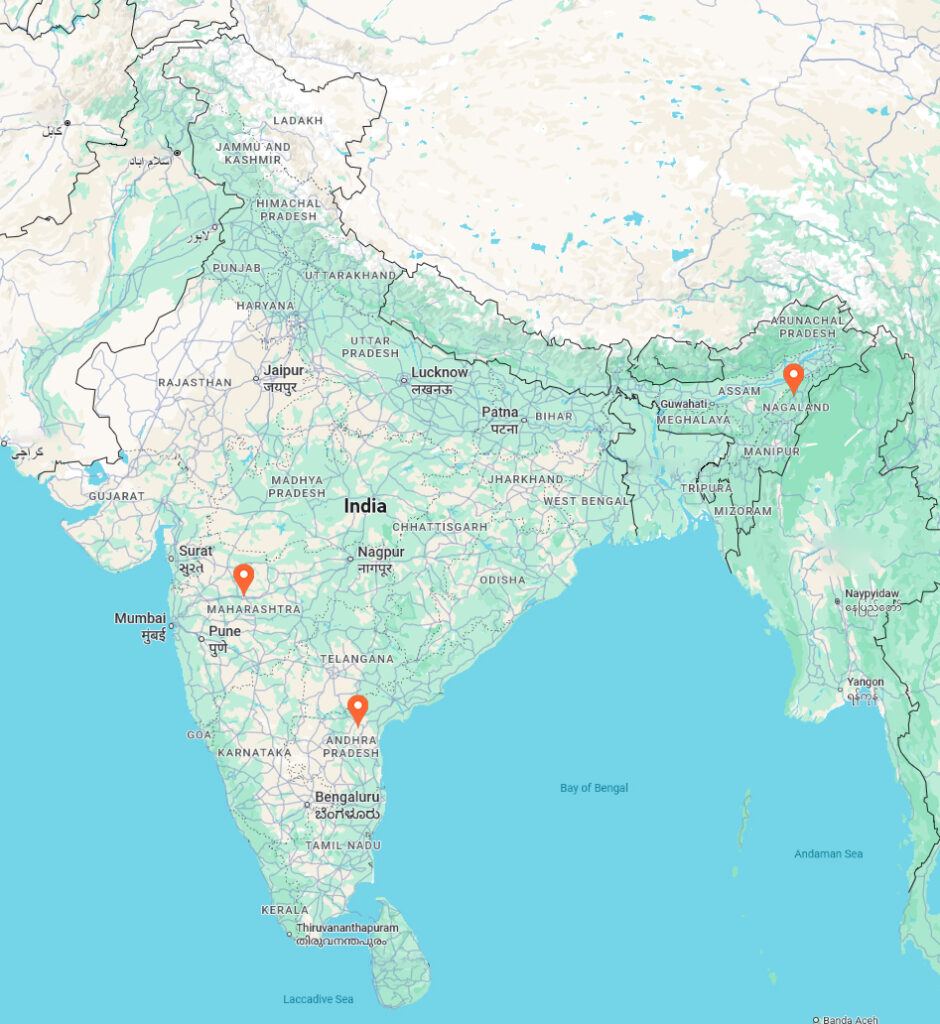
Where we work
Living laboratories of change
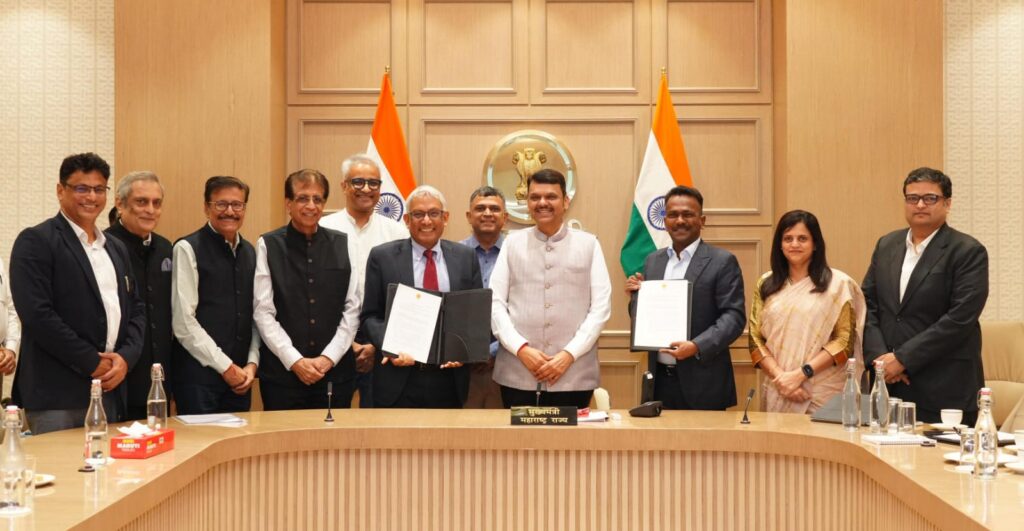
Maharashtra State Entrepreneurship Mission:
A five-year partnership between GAME and the Government of Maharashtra to build entrepreneurship ecosystems across 12+ districts anchored in MSME growth, women and youth pathways, and green productivity
- Formal MoU signed November 2025
- Witnessed by Hon’ble Chief Minister
- 12+ districts
- ~5 million MSMEs
- Focus on women, youth, and green entrepreneurs
- Target: 250,000 entrepreneurs, 1 million jobs
This is one of India’s first attempts to scale district-level ecosystem reform at the state level.The Growth Prototype
Nagpur District Entrepreneurship Mission:
The manufacturing and MSME growth accelerator
- Flagship district within the Maharashtra Mission
- Focus sectors: electronics, defence, food processing, and allied manufacturing
- Cluster-led MSME growth and job creation
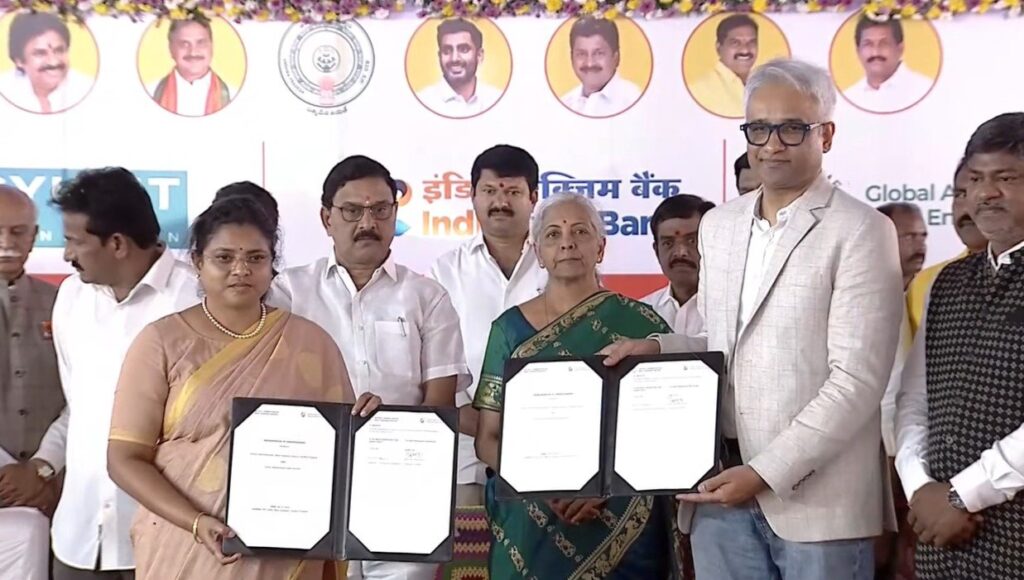
The Blue–Green Growth District Mission
- Building a globally competitive blue–green economy
- Focus value chains: agri, food processing, coffee, marine and fisheries
- Strong convergence with state entrepreneurship vision
West Godavari District Entrepreneurship Mission
- The Agro–Aqua Enterprise Growth Mission
- Strengthening enterprise value chains in cocoa, coconut, banana, aquaculture, and allied sectors
- Focus on MSME scaling, farmer-producer enterprises, and women-led businesses
- Deep alignment with district institutions and state priorities
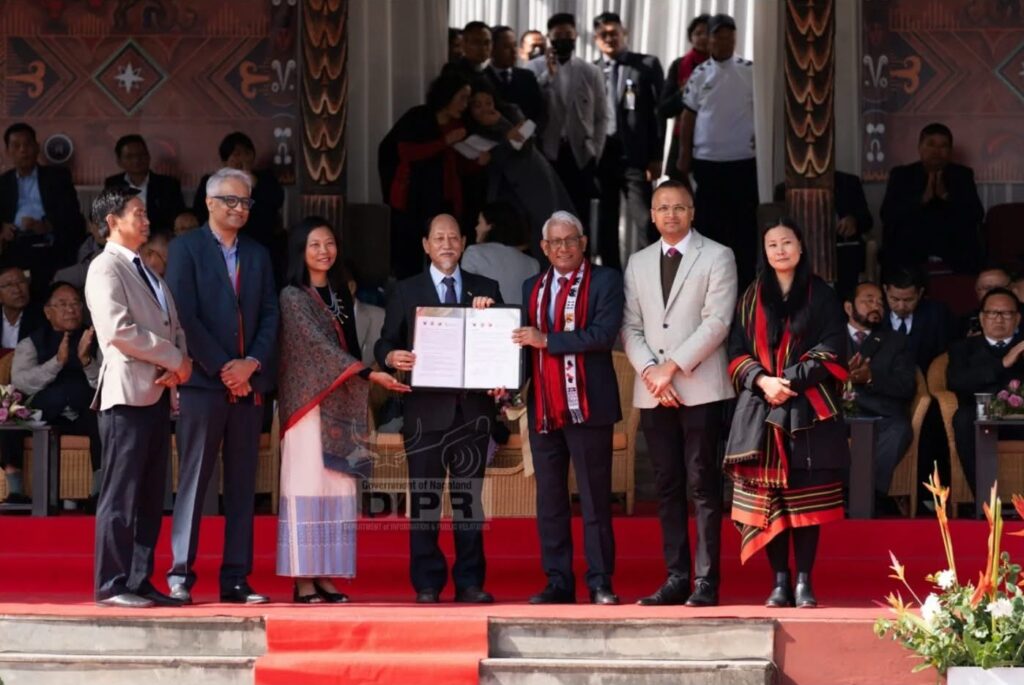
The Premium Products and Remote Enterprise Model
- Indigenous and premium value chains: coffee, honey, king chili, bamboo, handloom, and handicrafts
- Deep government convergence at state scale
- Enterprise growth rooted in identity, quality, and sustainability
OUR ROLE
GAME Is the Systems Integrator, Not the Owner
What GAME does
- Designs the mission architecture
- Builds local leadership capacity
- Mobilises capital and partnerships
- Brings proven solutions across districts
- Ensures discipline, learning, and scale
What GAME does not do
- Run businesses
- Replace government or markets
- Create parallel delivery systems
Our goal
To make ourselves unnecessary over time.
NATIONAL ALIGNMENT
DEMs are aligned with India’s broader entrepreneurship and MSME priorities, including national thinking on place-based development and enterprise-led growth articulated by institutions such as NITI Aayog, while remaining firmly grounded in district-level ownership and execution.
Our Partners



























To partner with us on DEM or to learn more about our program, please write to us: [email protected]
GAME’s District Entrepreneurship Mission Operations
Impact Stories
Abdul Aziz strengthened his street business with simple infrastructure and solar lighting, boosting his income, extending working hours, and restoring dignity to his livelihood.
Brijmohan built a self-reliant LED manufacturing business with CM Yuva support, creating jobs and driving local entrepreneurship.
With the right ecosystem support, Savita, representing Adavi, is proving that even remote enterprises can build strong brands and scale beyond local markets.
Junior Achievement India Services (JAIS) is registered under section 25 of The Companies Act, 1956. Global Alliance for Mass Entrepreneurship (“GAME”) is the brand of Junior Achievement India Services (JAIS) and all intellectual properties in this regard are owned by JAIS. The names GAME and JAIS are interchangeably used in all communication with funders, partners and other stakeholders.
Quick Links
Contact Us
Office Address:
646, 1st D Main Rd, AK Colony, 1st Stage, Domlur, Bengaluru, Karnataka 560071
Registered Address:
73/42, 41st Cross, Jayanagar 8th Block, Bengaluru, Karnataka 560082
© Copyright 2025 by JUNIOR ACHIEVEMENT INDIA SERVICES